Nutrition Planning for Busy Schedules
Learn how to organize your daily nutrition with time-efficient meal planning strategies designed for active lifestyles.
Request a Consultation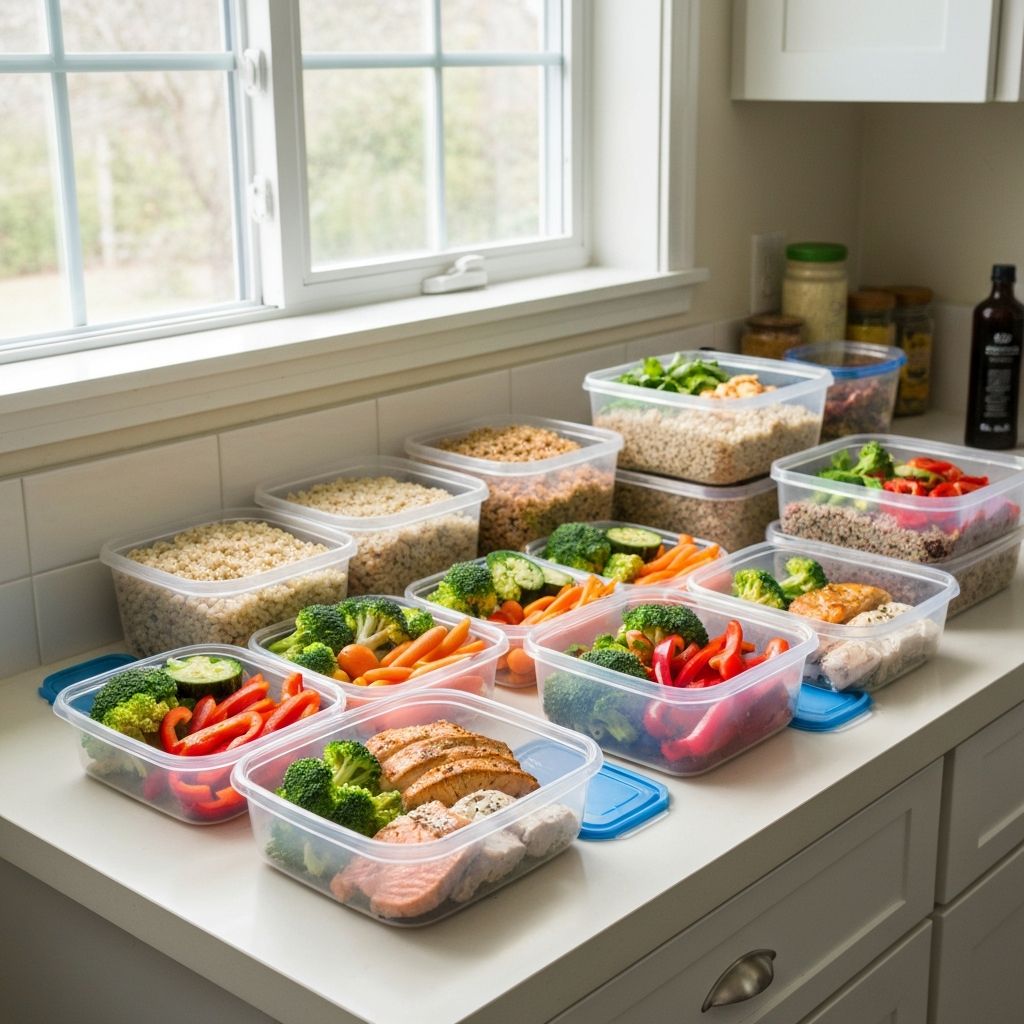
Learn how to organize your daily nutrition with time-efficient meal planning strategies designed for active lifestyles.
Request a Consultation
Structured meal planning helps reduce decision-making time and simplifies your daily routine.
Regular eating patterns support your active lifestyle and help you stay organized throughout the day.
Having a plan eliminates last-minute food decisions and makes busy days more manageable.

Dedicate a few minutes weekly to outline your meals. This reduces daily decision fatigue and helps you stay organized.
Focus on straightforward meals with minimal ingredients. Complex recipes can wait for days when you have more time.
Prepare components in advance when possible. Cooked grains, chopped vegetables, and portioned proteins save valuable time.
Invest in quality food containers for easy storage and transport. This makes taking meals with you convenient.
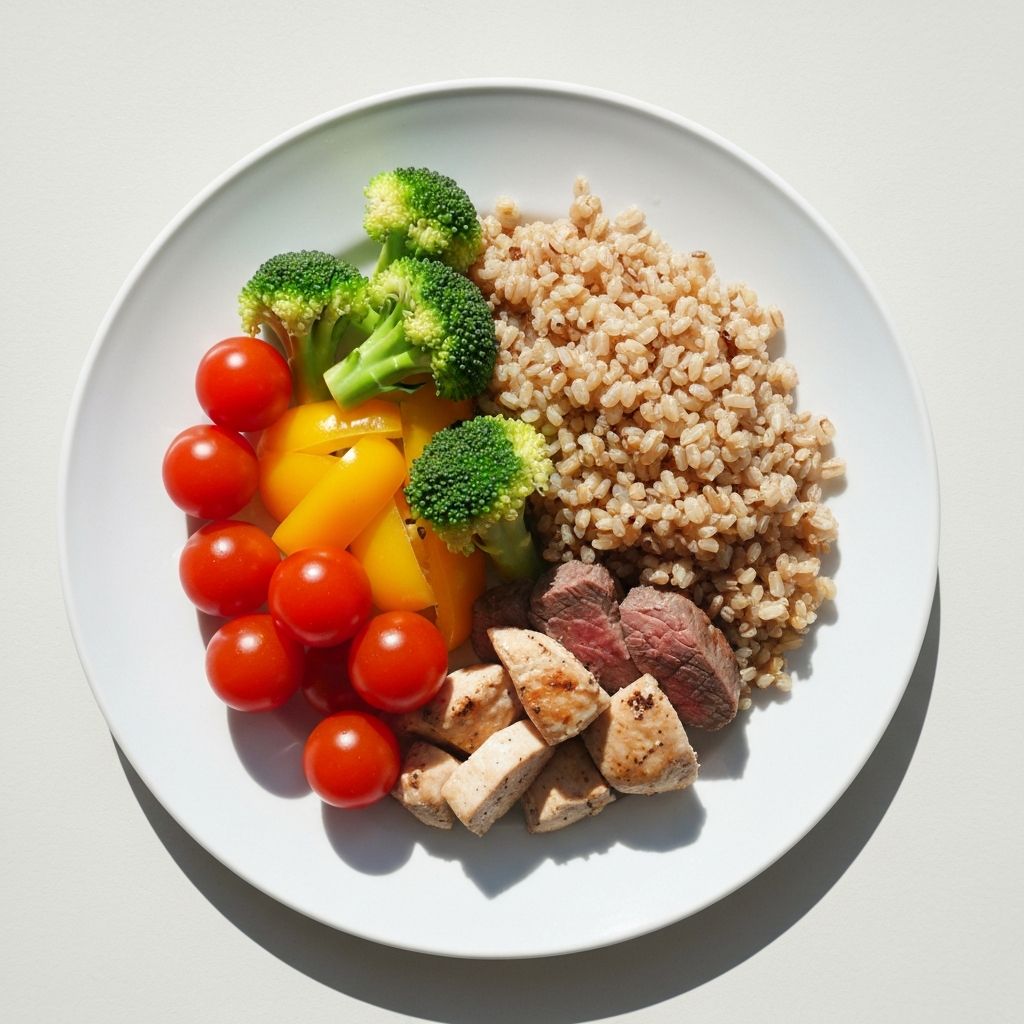
When time is limited, consider these practical approaches to daily eating:
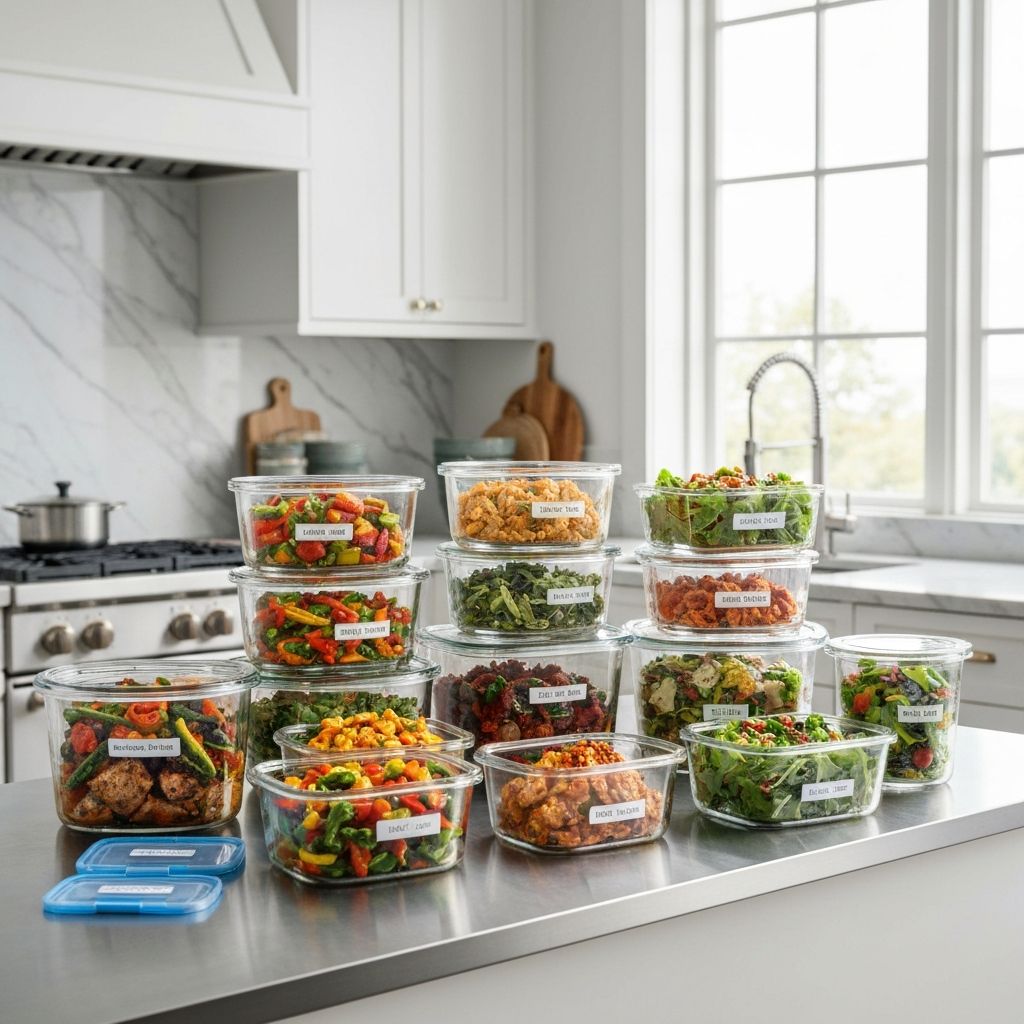
Effective meal organization can transform your busy schedule. Here are foundational strategies:
Select a consistent day each week to prepare meal components or full meals.
Begin with just a few meals per week and gradually increase as you become comfortable.
Mark containers with contents and dates to stay organized and reduce food waste.
Change your meal selections weekly to prevent monotony and maintain interest.
People with demanding work schedules who need efficient meal strategies.
Those maintaining active lifestyles who want to optimize their eating patterns.
Parents juggling multiple responsibilities seeking meal planning guidance.
Students balancing studies and activities who need practical nutrition education.
"The meal planning guidance helped me organize my eating routine better. I feel more prepared for busy workdays now."
- Rina S., Jakarta
"Learning about simple meal prep has saved me time during the week. The educational approach was very helpful."
- Budi M., Jambi
"The consultation provided practical strategies I could actually implement with my limited schedule. Very informative."
- Sari D., Surabaya
Begin with planning just 2-3 meals for the week. Write down what you want to eat, make a shopping list based on those meals, and gradually expand as you become comfortable with the process.
Batch cooking on weekends or your day off can help. Prepare larger quantities and store them in portions. Simple assembly meals also work well for busy days.
Create a standard shopping list organized by store sections. Buy similar items each week to streamline the process. Consider shopping during less busy hours.
Grain bowls, salads with protein, wraps, and leftover dinners all transport well. Choose foods that can be eaten at room temperature or easily reheated.
Pack portable snacks, research food options at your destination in advance, and maintain similar eating times when possible to keep your routine consistent.
Consultations provide educational guidance on meal planning, time management strategies for eating, and habit-based approaches tailored to your schedule and lifestyle.
Get guidance on time-efficient meal planning for your busy lifestyle.
Send a Consultation Request